Time to think about version 2 of the solar setup. Version 1 is in this post. I’m still mildly amazed it’s all running, given it was thrown together in a hurry by someone with zero experience.
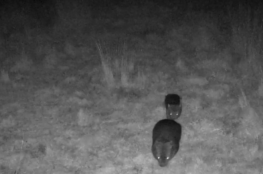
I’m still getting nightly wildlife clips, which is a far better use of time than doomscrolling the daily news. The only real worry is that the system will fail and I won’t know why, because I only have access to the camera itself.
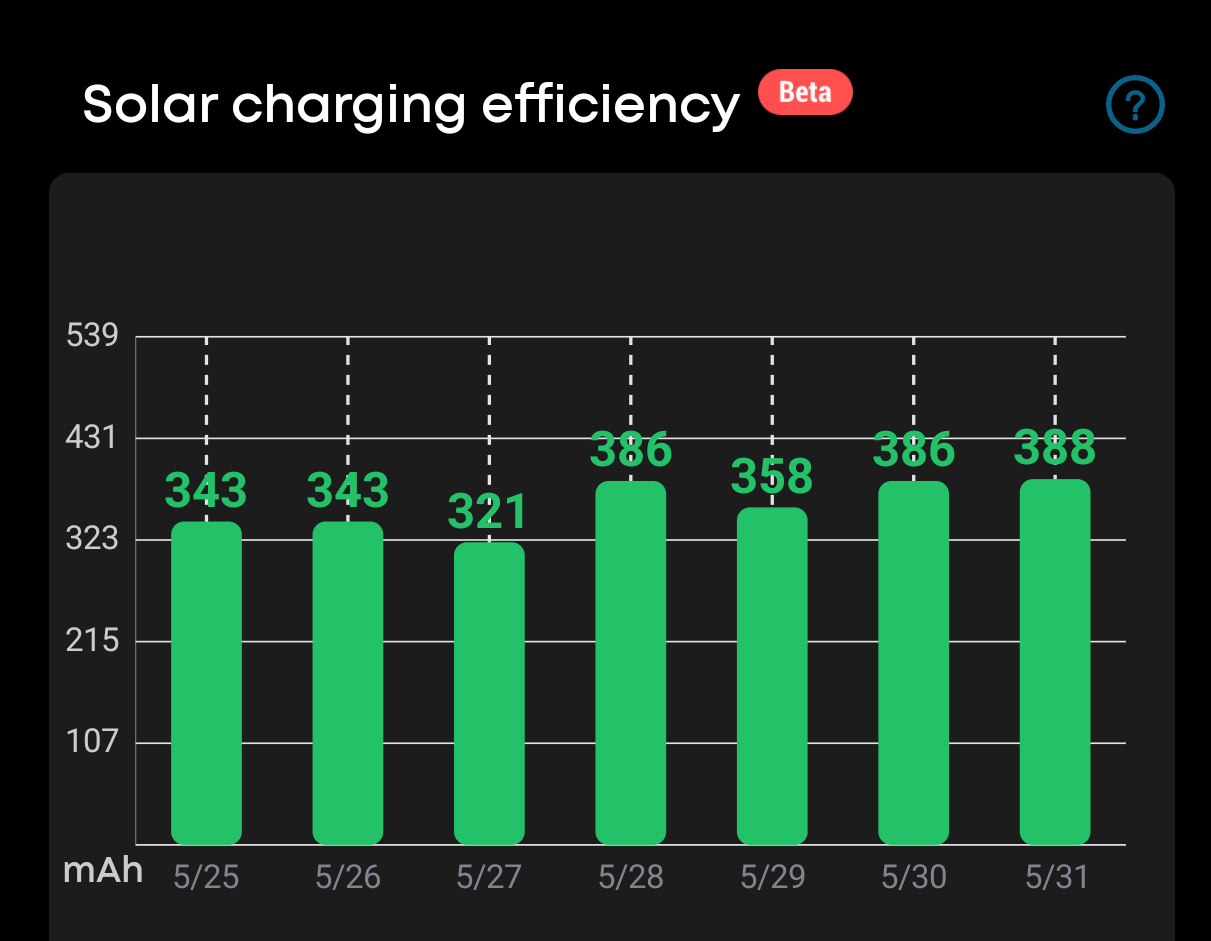
The Eufy camera has its own solar panel, so I can at least monitor that, which is about as useful as checking one tire and declaring the car roadworthy. The solar data does show one thing: winter is arriving. In summer it was pulling around 450mAh a day, and that’s already dropped to about 350mAh. The darkest months are still ahead, so it would be useful to have visibility over the whole system.
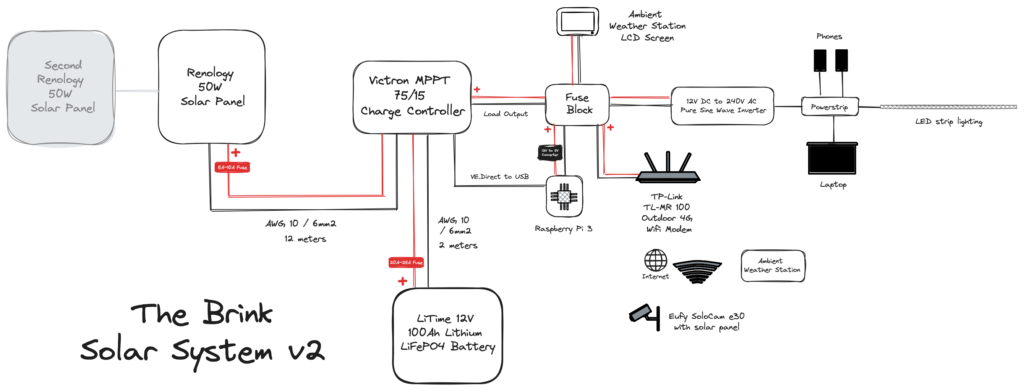
There are four goals:
- Connect the Ambient Weather Station, which I never got around to installing. I also didn’t account for the LED display in the original power budget and wasn’t convinced the system could handle one more tiny glowing thing without having a meltdown.
- Connect the inverter that’s waiting to be installed. It’ll be useful for charging laptops and phones, and for running the LED strip lighting I want to install in the shed. This will only be connected when we’re there and stored away between visits to reduce the fire risk.
- Install the LED strip lighting. I’ve been testing this in my current flat, which has been useful for confirming that I’m capable of doing this and not blowing anything else up.
- Set up remote monitoring for the Victron controller. I found a way to do it with a Raspberry Pi and the VE.Direct port, which is cheaper than buying Victron’s $400 module to do the same job. Just need to install the Victron Venus OS using these instructions.
I still need to work out whether I need a second solar panel or battery for the increased load, especially when there and charging devices. So the next step is to calculate the maximum draw with a laptop, two phones, and the lights on. That should tell me whether the system has enough headroom, or whether I’m just being optimistic again.